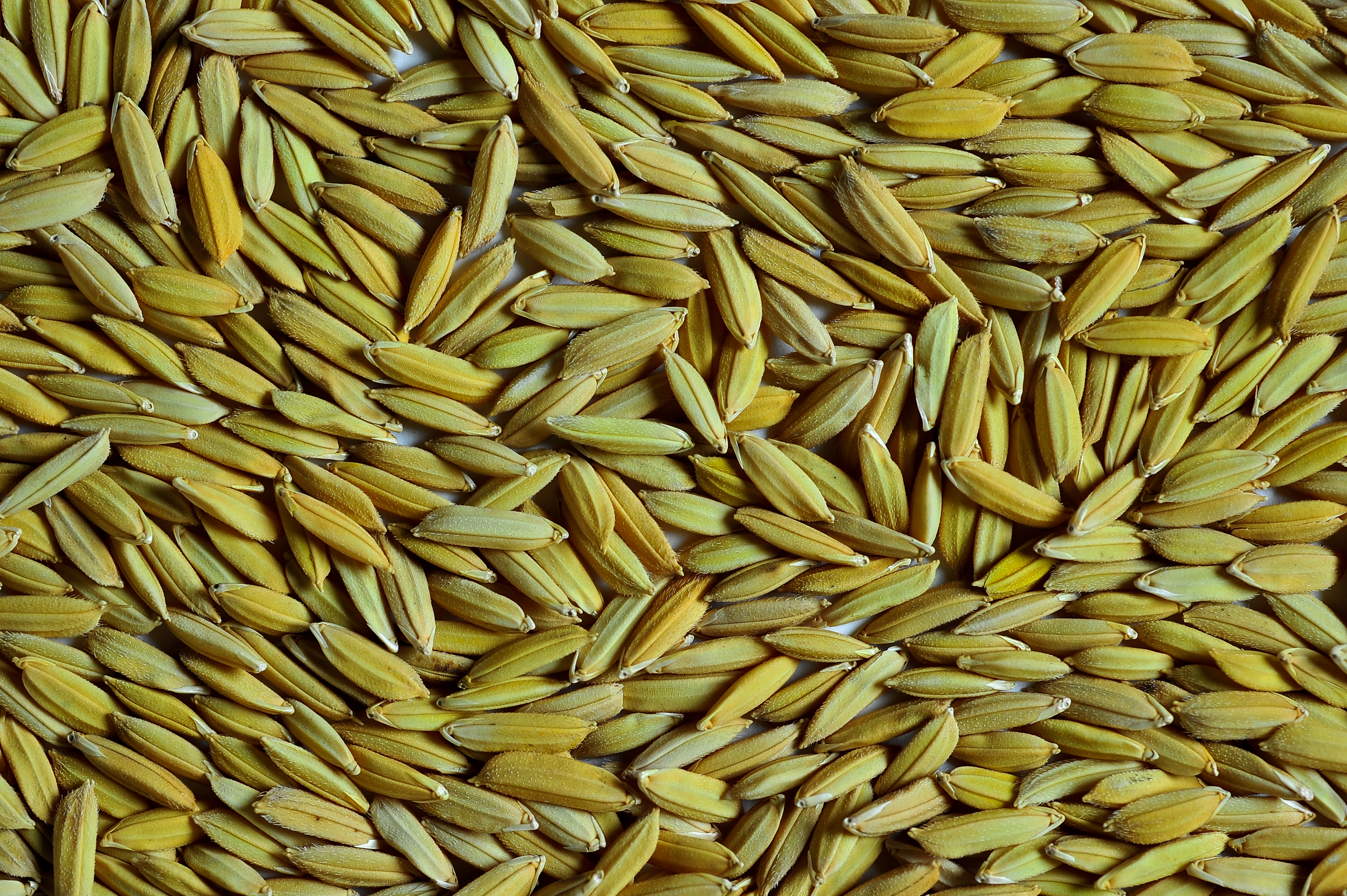
Rice gene discovery could cut fertiliser use while protecting yields. In field trials, rice plants with a natural, improved version of the gene had yield increases of up to 24%
Rice Gene Discovery Could Cut Fertiliser Use While Protecting Yields
27 February 2026
Researchers from the University of Oxford, Nanjing Agricultural University, and the Institute of Genetics and Developmental Biology (Chinese Academy of Sciences) have uncovered a key plant regulator gene that helps rice balance root and shoot growth under varying nitrogen conditions — a discovery that could reduce fertiliser use without sacrificing yields.
The team identified the gene WRINKLED1a as a “master regulator” of growth responses to soil nitrogen levels. In controlled greenhouse and field trials, rice plants with a stronger natural version of this gene maintained more stable root-to-shoot ratios and delivered up to ~24 % higher yields, even under reduced fertiliser input.
Typically, rice increases root growth at the expense of shoot and grain development when nitrogen is scarce — a survival strategy that limits productivity. By contrast, enhanced WRINKLED1a expression supports both roots (for nutrient uptake) and shoots (for grain production), effectively breaking this trade-off.
Over three field trials in China, plants carrying the improved allele showed roughly 23.7 % higher yields with low nitrogen fertiliser (120 kg/ha) and ~19.9 % higher yields under high fertiliser levels (300 kg/ha) compared with plants with weaker gene variants.
Lead researchers say this regulator is a promising breeding target for sustainable crop improvement — and they plan to investigate whether similar genes in crops like wheat and maize can be leveraged for broader agricultural benefit.
The study ‘OsWRI1a coordinates systemic growth responses to nitrogen availability in rice’ has been published in Science.