OryzaNet Rice Research, Communication and Innovation Grants Available!!
Have an idea that could connect, develop or advance rice research? OryzaNet Rice Research, Communication and Innovation Grants Available!!
Do you have news that is relevant to the rice research community and would like OryzaNet to share it with the network?
We welcome submissions from researchers, institutions, and partners.
Have an idea that could connect, develop or advance rice research? OryzaNet Rice Research, Communication and Innovation Grants Available!!
Professor Gray led her team at the University of Sheffield School of Biosciences in securing £800,000 project funding by the Biotechnology and Biological Sciences Research Council (BBSRC). The project in collaboration with researchers from Penn State University, University of Würzburg and the International Rice Research Institute in the Philippines. The project will grow and compare different genetically enhanced rice varieties in both controlled environments and tropical field trials in the Philippines. Through this they will be able to identify the specific traits that have a positive effect on resilience and use advanced tools such as machine learning to predict which plants will perform the best under stressful conditions.

23rd International Symposium on Rice Functional Genomics (ISRFG 2026) ISRFG26 will be a great opportunity to showcase rice research in emerging rice-growing countries whilst bringing together collaborators at a historic venue in London.
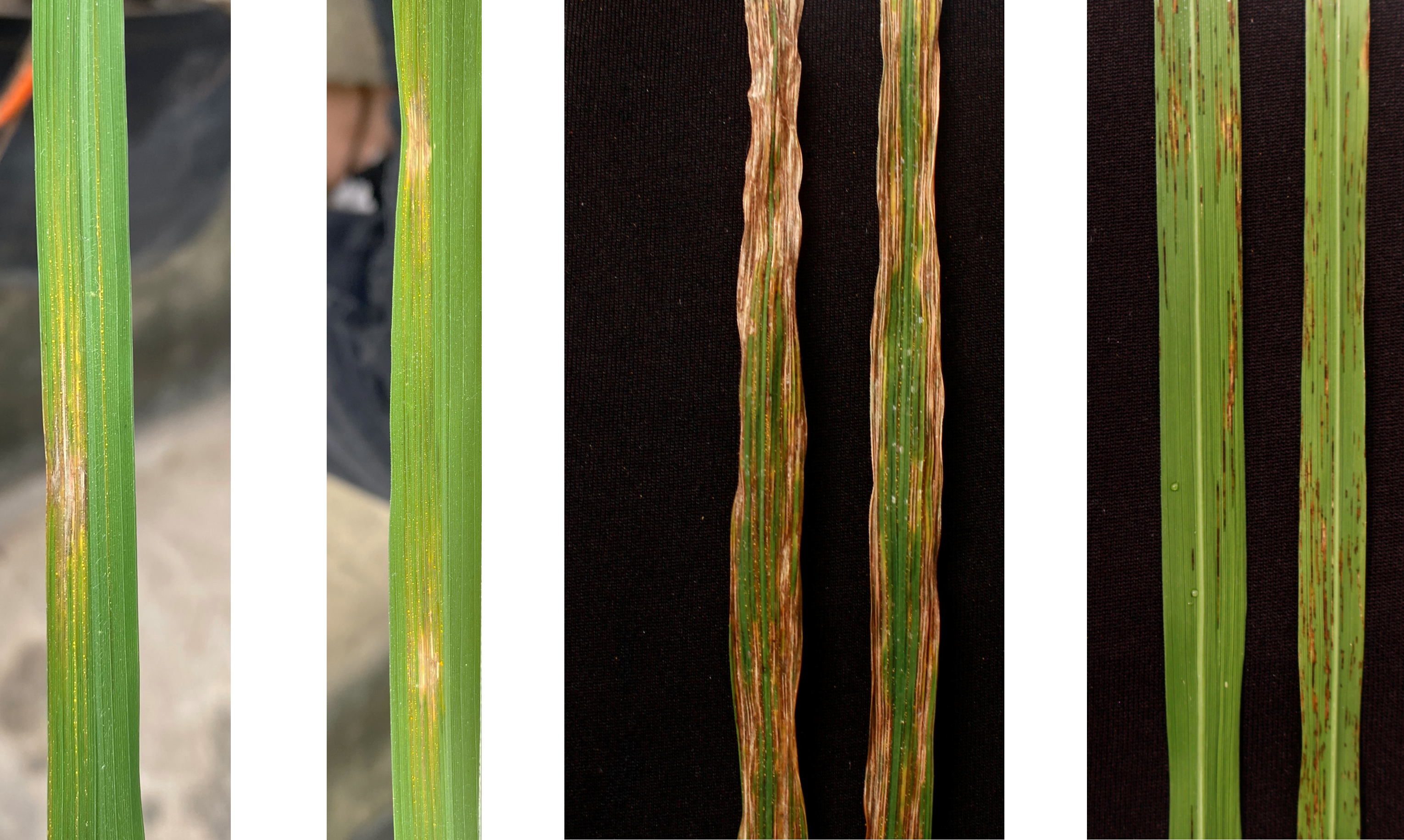
The Rice Science Center at Kasetsart University have discovered a Thai rice variety with an unusual resistance mechanism to the pathogen Xanthomonas oryzae pv. Oryzicola (or Xoo) and used this to pinpoint genetic differences between resistant and susceptible rice varieties. Their analysis revealed alterations in the coding and regulatory regions of several-defense related genes that can now be targeted to strengthen resistance to bacterial leaf streak and other rice diseases that cause substantial yield losses.
Engineered Bacillus subtilis p43-Taglo1 enhances arsenic resistance and root colonization under As(III) stress. Through increased extracellular polymeric substance production, Fe(II) oxidation, and siderophore secretion, the strain promotes formation of an iron plaque-biofilm composite on rice roots. This root-surface barrier sequesters arsenic, reduces arsenic uptake, and supports rice growth in contaminated paddy systems. Lijuan Li et al 2026 - New Phytologist

Rice is a primary food staple for billions of people, with over half the world's population eating it every single day. Growing it, however, requires huge amounts of fresh water, and yields are being impacted as climate change makes rainfall increasingly unpredictable.
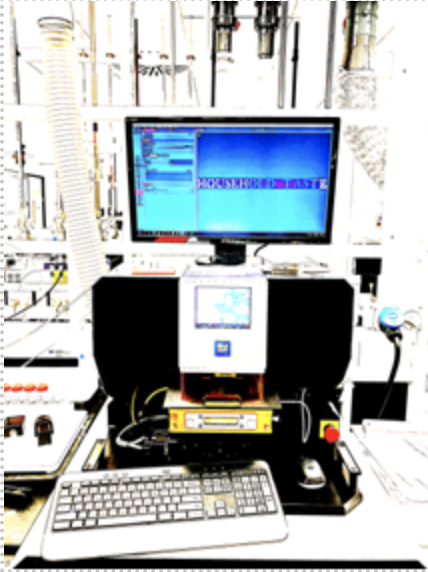
What happens at the root–soil interface in rice? New bioimaging research reveals how rice roots reshape flooded soils, creating dynamic micro-scale patterns of nutrients and elements. These insights could improve nutrient efficiency, reduce toxic element uptake, and support the development of better-adapted rice varieties.
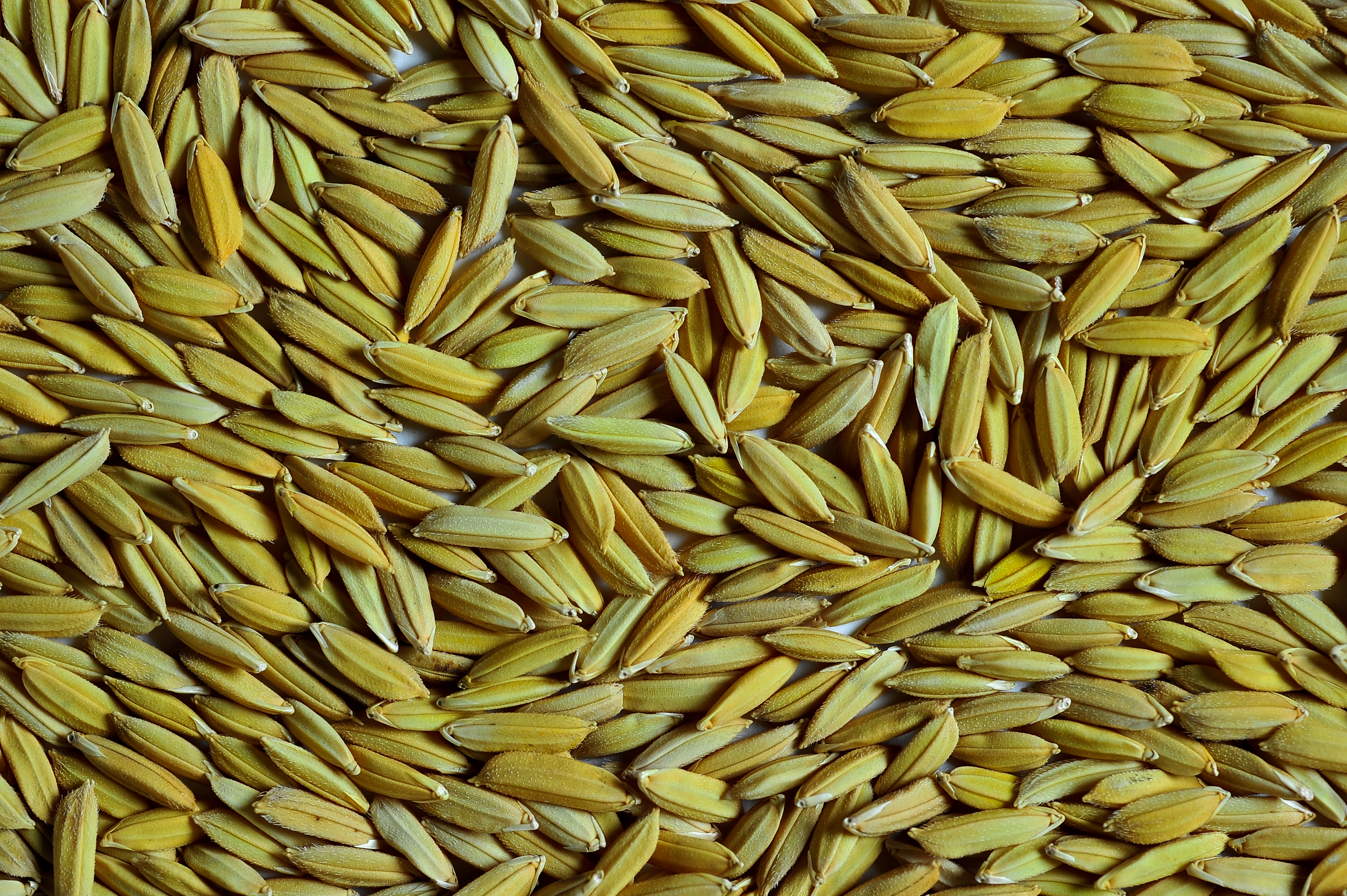
Rice gene discovery could cut fertiliser use while protecting yields. In field trials, rice plants with a natural, improved version of the gene had yield increases of up to 24%
_1.jpg)
UK authorities have reinforced basmati rice authenticity standards after uncovering counterfeit products. Four people were arrested in an investigation by the Food Standards Agency’s National Food Crime Unit. The legally enforced Basmati Code of Practice, backed by DNA testing pioneered with Bangor University’s expertise, aims to protect consumers and genuine producers.
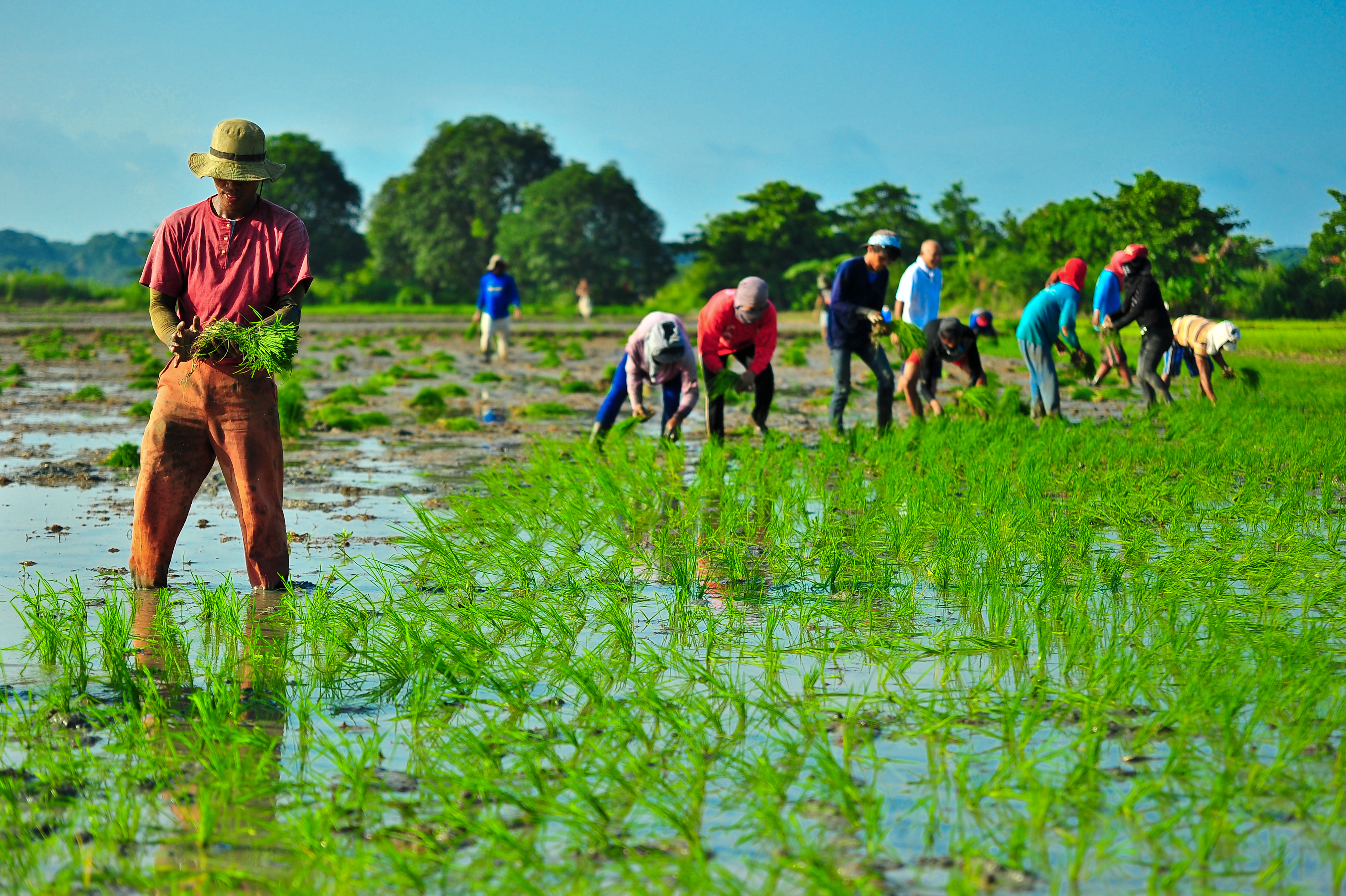
What do rice farmers think about boosting photosynthesis with biotechnology? A new Scientific Reports study finds strong interest in yield-enhancing innovations, especially in rice-growing regions, while adoption depends on grain quality, market acceptance and local regulation as much as biological performance.
Nanocoated nitrogen-fixing bacteria dramatically improve leaf colonisation and nitrogen supply in rice, boosting plant growth and cutting synthetic fertiliser needs. This innovative nanotech strategy could reduce environmental impacts and costs while enhancing yields offering a promising sustainable agricultural tool.